Join Our Linkedin Group
We are building our network online at LinkedIn.
We will be publishing articles and information on the group and attracting like-minded professionals to build a community focused on political advocacy for building up PNG's capacity as an emergent Middle Power.
Welcome to 1-Tok.org: Papua New Guinea's Premier Hub for Geopolitics and Development
Discover, Debate, and Drive Change in the Land of the Unexpected
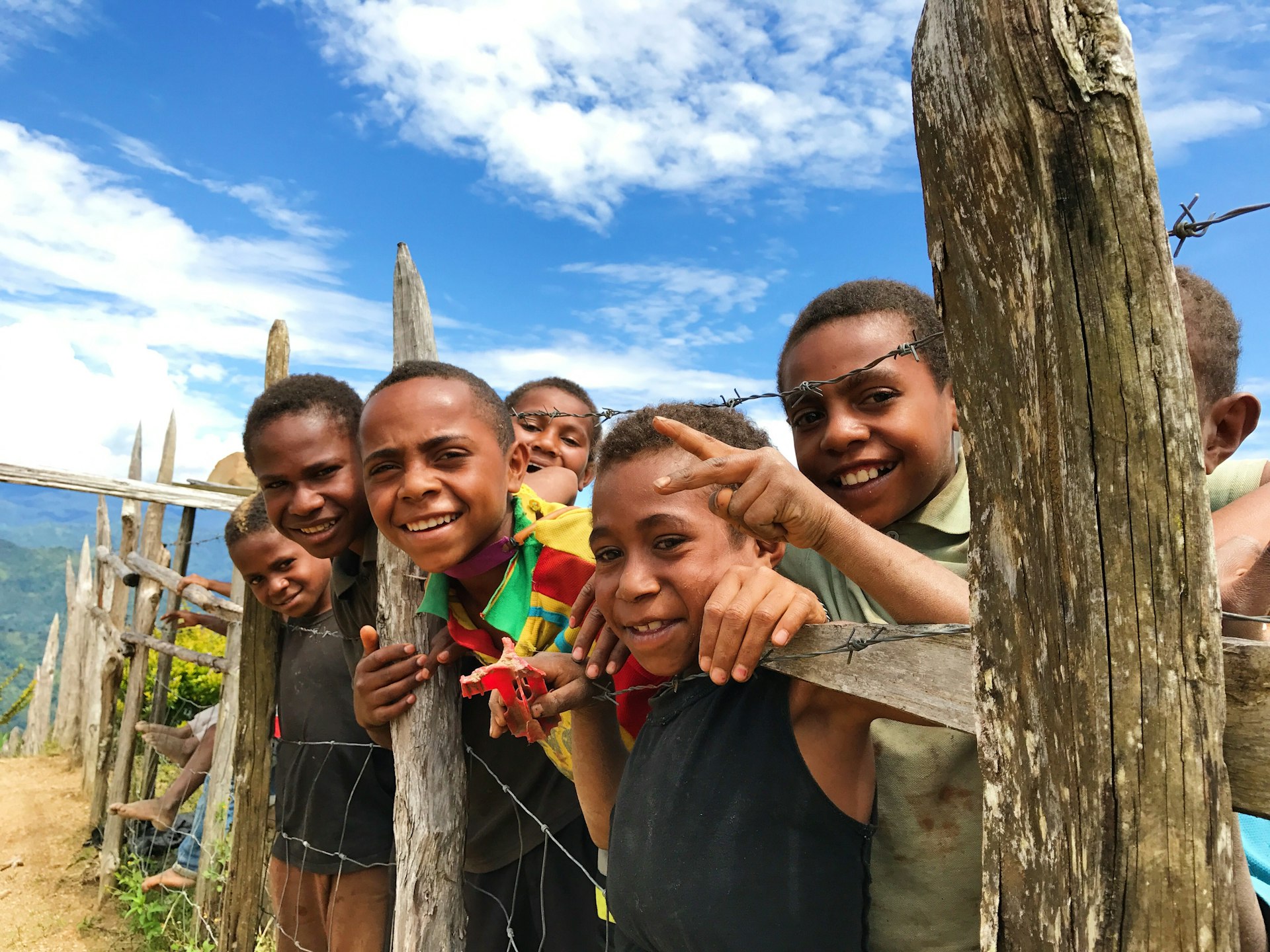
Nestled at the crossroads of the Asia-Pacific, Papua New Guinea (PNG) is a nation of unparalleled diversity—over 800 languages, vast untapped resources, and a vibrant mosaic of cultures. Yet, it faces complex geopolitical challenges, from resource sovereignty and climate resilience to sustainable economic growth and regional alliances. 1-Tok.org—inspired by tok pisin, PNG's unifying lingua franca—serves as your essential online gateway to navigating these dynamics.
Why 1-Tok.org?
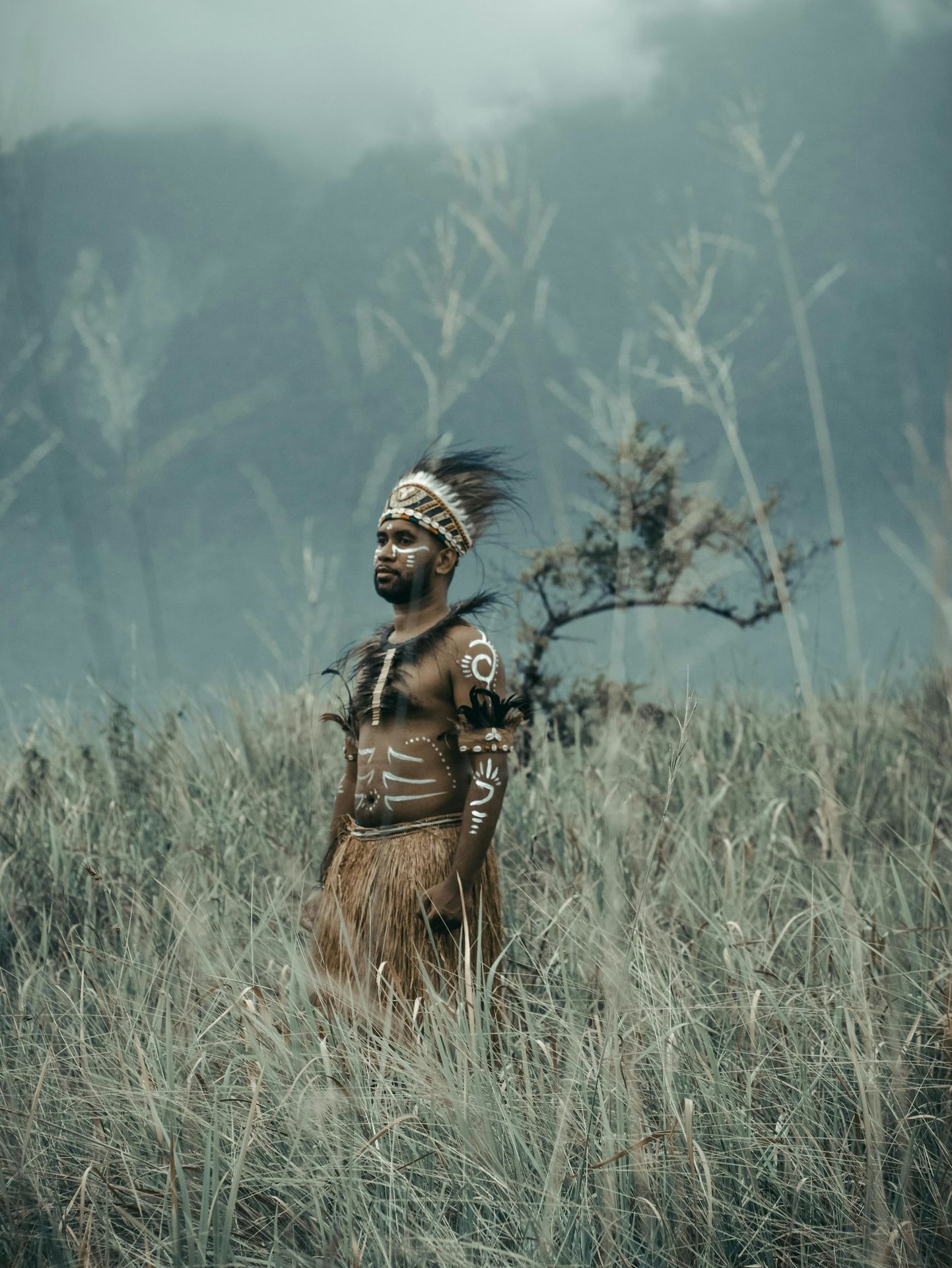
We are more than a website; we're a collaborative platform empowering policymakers, researchers, businesses, and communities to explore PNG's geopolitical landscape and foster inclusive development. Whether you're analyzing China's Belt and Road investments in the Pacific, debating mining rights in Bougainville, or seeking strategies for PNG's blue economy, our hub equips you with actionable insights.
Where Does The Money Go?
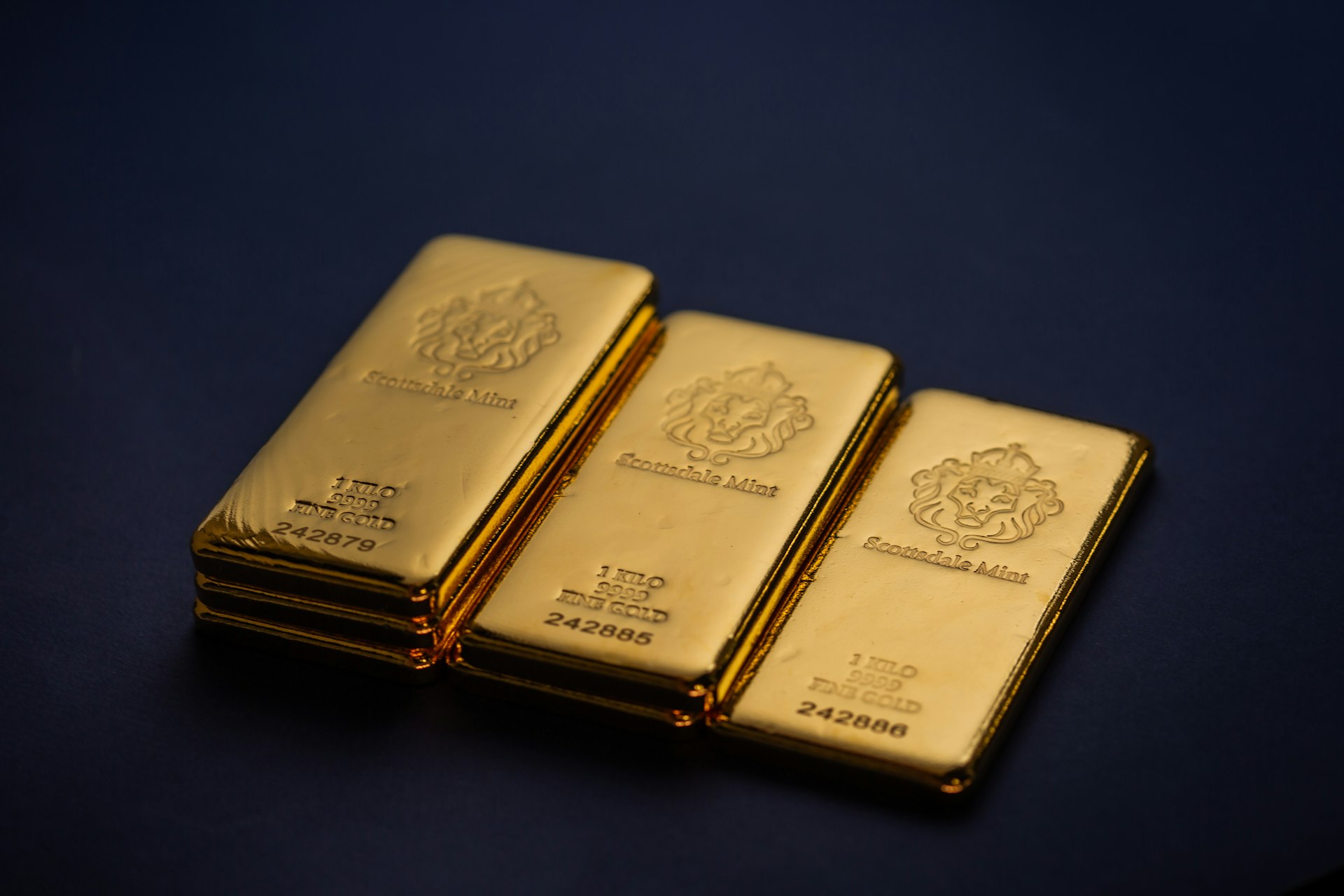
Papua New Guinea's vast natural resources, including gold, copper, nickel, oil, and gas, form the backbone of its economy, generating billions in revenues that promise transformative development for its diverse population.
Yet, the distribution of this wealth—through royalties, taxes, equity shares, and targeted benefits to landowners and provinces—remains fraught with complexities, governance challenges, and inequities that underscore the nation's ongoing quest for equitable prosperity.
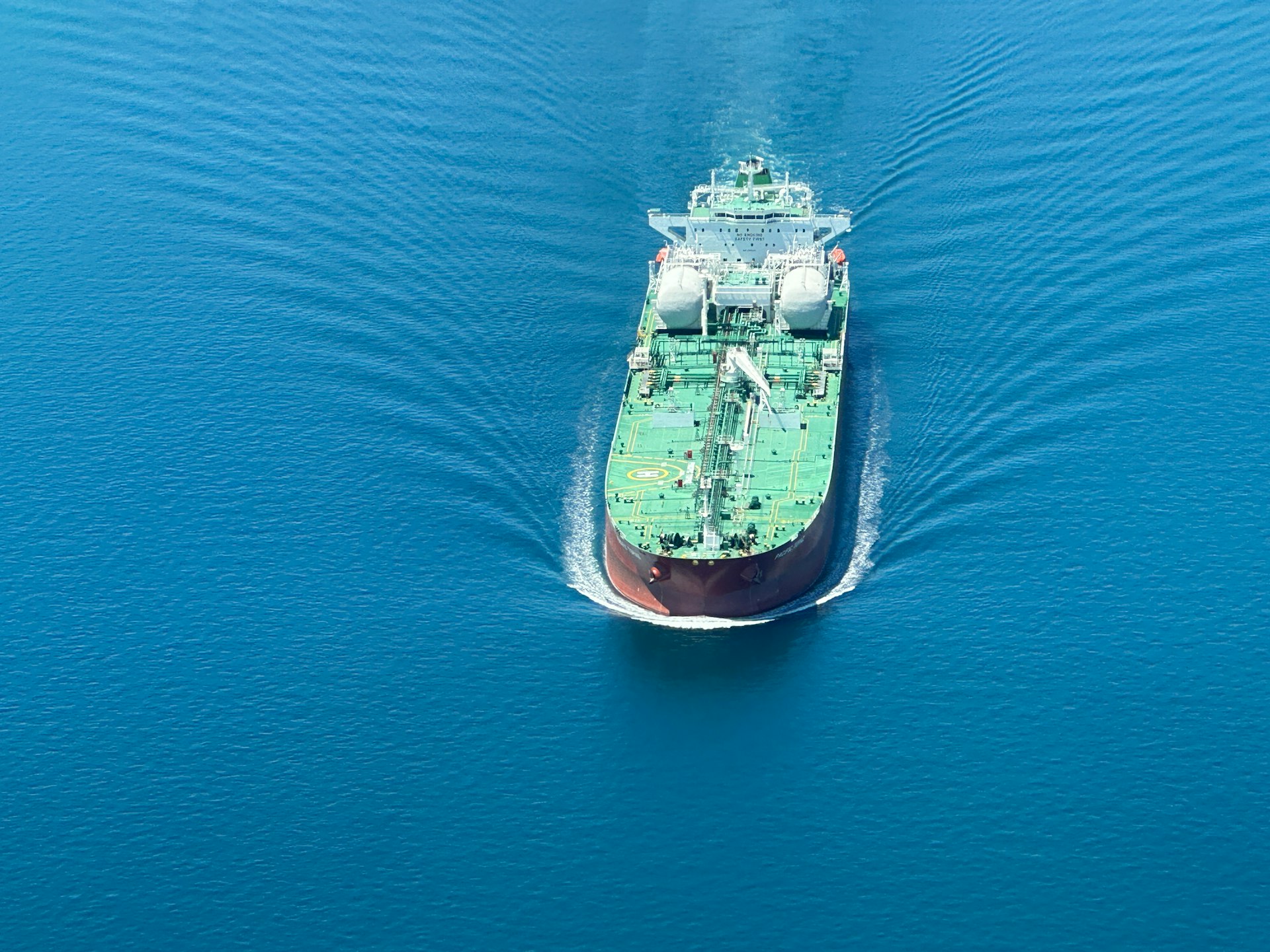
Oil & Gas
Our aim is to make the early years of your child’s life as enjoyable, rewarding and positive as possible.
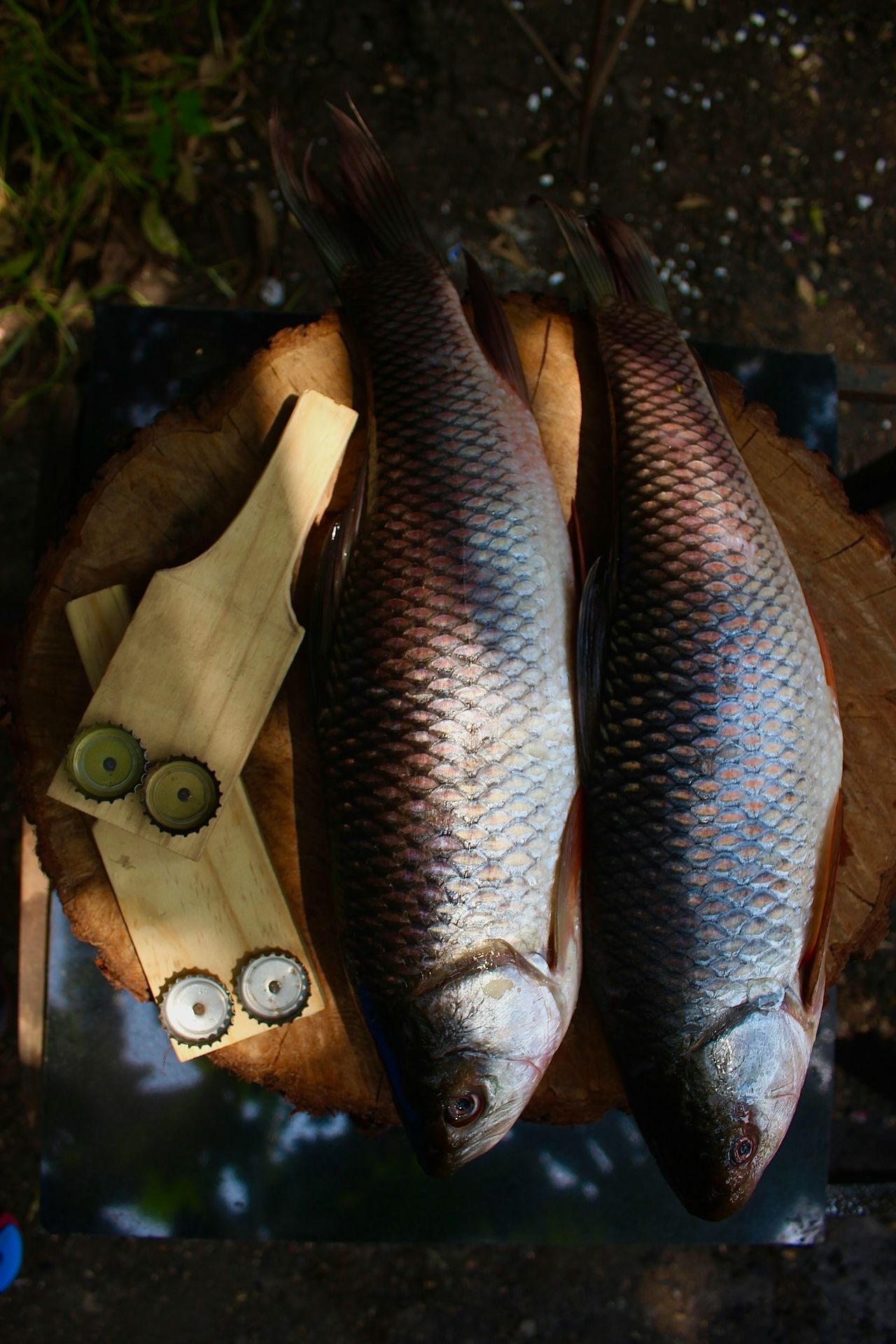
Fisheries & Agriculture
All activities are planned to meet each child’s individual needs. This approach will help your child to develop to the best of their ability.
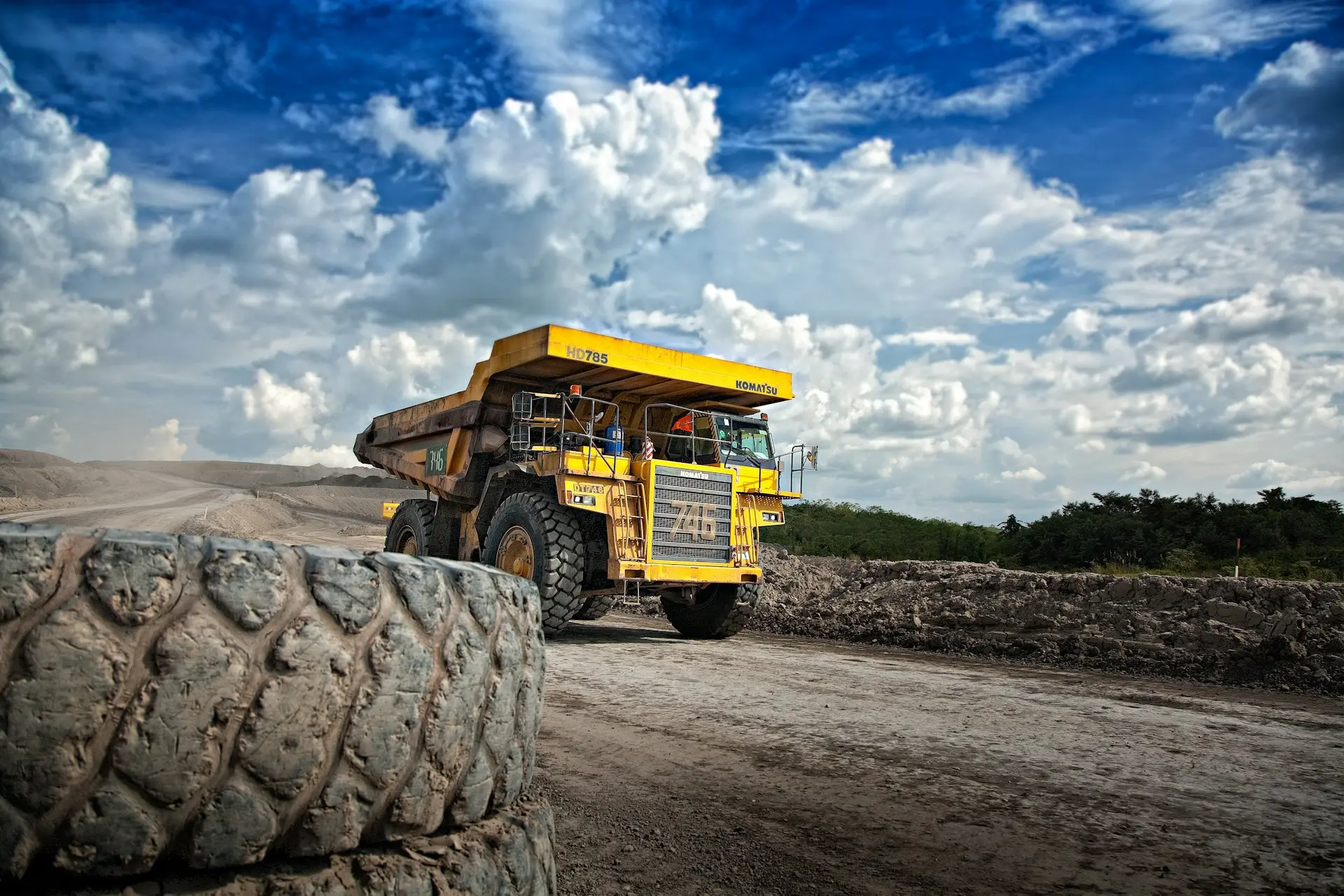

Healthcare Supply Chain Squeeze
The difficulties for supplying clinics and hospitals with desperately needed medical supplies are not insurmountable.
.
What is a Middle Power?
A middle power is a sovereign state that is neither a superpower (e.g., the United States or China) nor a small power, but wields significant influence in international affairs through diplomacy, economic leverage, multilateralism, and niche expertise rather than raw military might. These states often act as "bridge-builders," mediators, or stabilizers in global or regional systems, punching above their weight by focusing on coalition-building, peacekeeping, and norm-setting in institutions like the United Nations.
The concept emerged prominently after World War II, with Canada, Australia, and others self-identifying as middle powers to distinguish themselves from great powers while asserting agency in the new world order.
"Canada is a middle power... We are not a great power, but we are more than a small power." (Paraphrased from diplomatic correspondence; Wrong emphasized Canada's role in functionalism and multilateralism.)
"Australia is a middle power with a capacity to influence events disproportionate to its size." (Speech to the Australian Institute of International Affairs; highlights proactive diplomacy.)
"Middle powers are states which, by reason of their size, their material resources, their willingness to accept responsibility, their influence and their stability, are close to being great powers but lack the full attributes of greatness." (A seminal academic definition; Holbraad's book formalized behavioral criteria like mediation and initiative-taking.).

Political Changes Needed for PNG to Emerge as a Middle Power
PNG's path to middle-power status requires addressing internal fragilities that undermine stability and external projection. Current challenges include chronic political instability (frequent no-confidence votes), corruption (PNG ranks low on global indices), weak law and order (exacerbated by tribal conflicts and underfunded police), and uneven resource distribution (e.g., mining benefits bypassing locals). Geopolitically, PNG risks becoming a proxy in U.S.-China tensions, as seen in China's 2024 aid pushes and Australia's renewed security pacts.
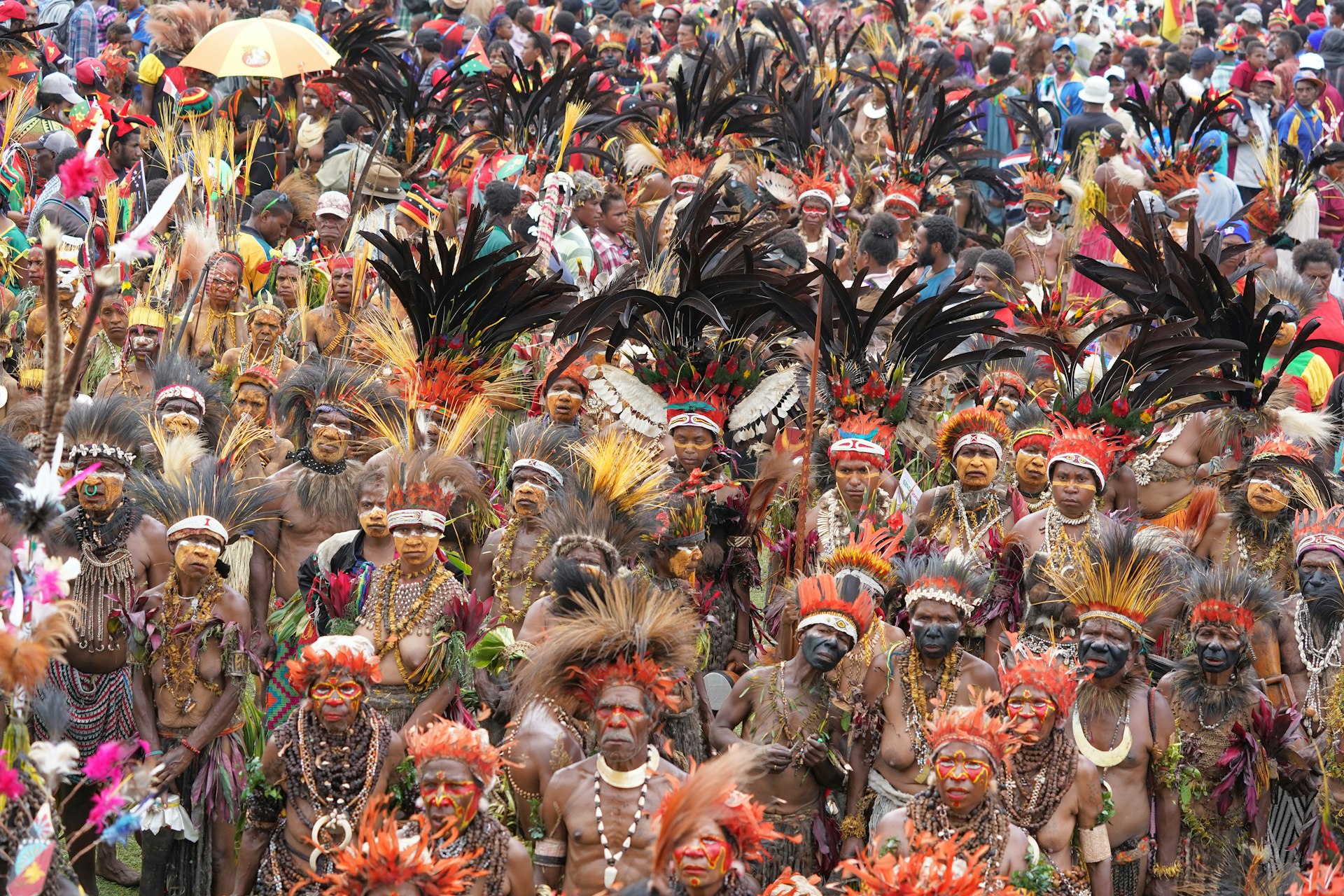
Skills Transfer
Key Challenges: Widespread low skill levels erodes PNG's capacity to grow. businesses delay training for the want of international experts to come and work in Papua New Guinea
Proposed Changes: Offer tax-free incentives for international experts to come to Papua New Guinea and train nationals.
What We Do: We promote Papua New Guinea as a destination for international experts while lobbying the government in ways to fast track and attract this talent.
Technology & Digitization
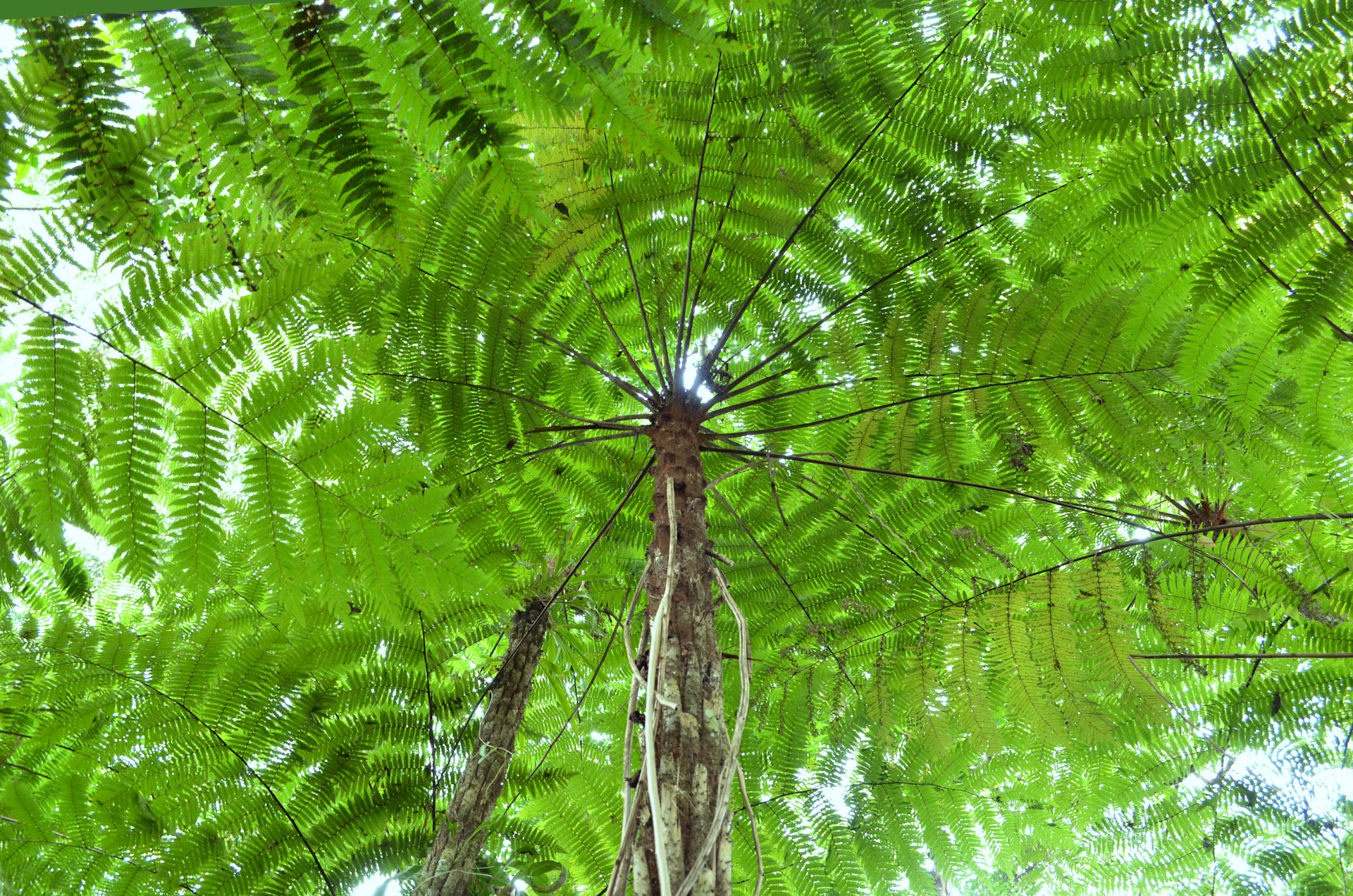
Key Challenges: low levels of investment in technology, past absence of cloud service providers, slowness to adopt AI, LLM shortage in serving PNG languages.
Proposed Changes: Government level advocacy and adoption of cloud technologies, education and promotion of new digital services and capacity building.
What We Do: We host webinars on digitization with international experts; partner with ICT groups for leadership and skills training.

If It's Good For Business It's Good For PNG
Key Challenges: Red tape, regulatory blockers and penalized international business make Papua New Guinea problematic to invest in.
Proposed Changes: streamline business incorporation and simplify regulatory environment to make PNG a magnet for international investment.
What We Do: We promote PNG as an international business destination while lobbying government to find ways to promote a business-friendly environment.
Economic/Resource Distribution
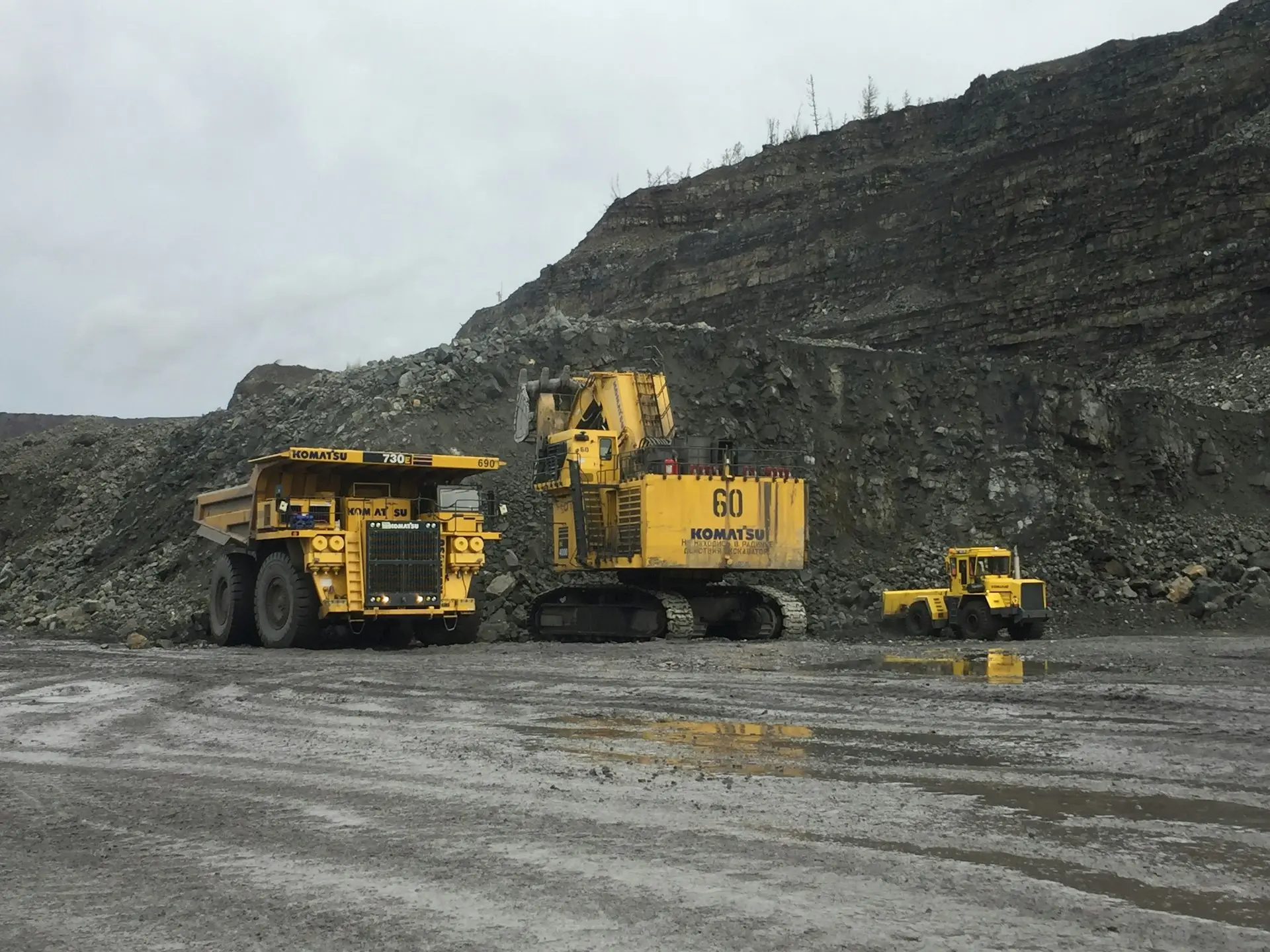
Resource curse: Mining booms enrich elites often leaving communities behind; climate vulnerability and poaching threatens fisheries/agriculture.
Proposed Changes: Enforce benefit-sharing laws (e.g., 2% resource tax to provinces); diversify beyond extractives via green tech/agri-exports.
What We Do: Articles on "PNG's Blue Economy" for Pacific leadership; lobby for IMF-aligned reforms in our publications, identify areas of improvement and advocating for best practices through case studies.
Wealth Distribution instruments in Papua New Guinea
With currently 54 Middle Powers
it's time that PNG became the 55th.
Join us in making the 21st century the century for PNG, get in contact to see how you can help.