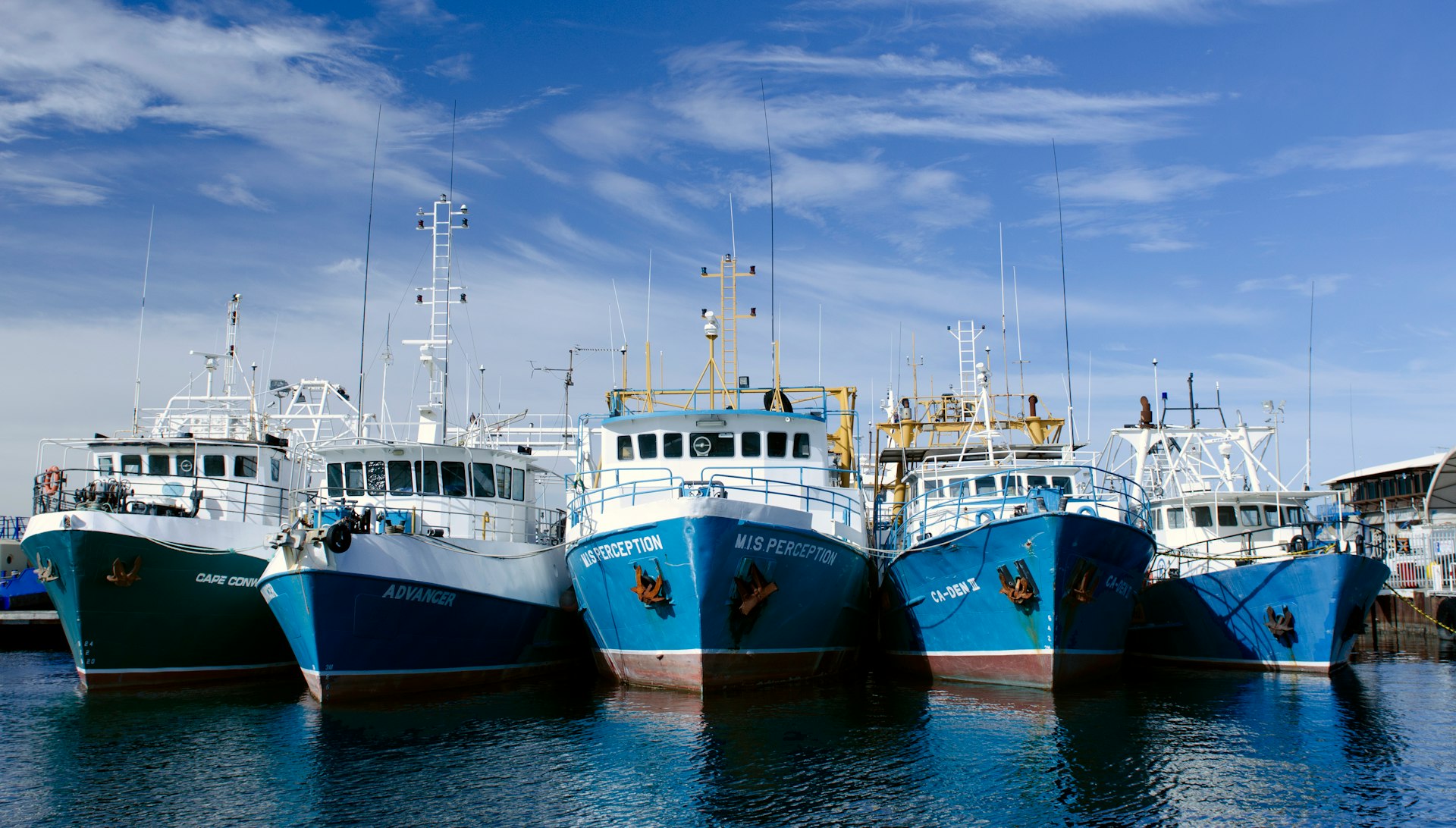
The Blue and Green Gold: Papua New Guinea’s Fisheries and Agriculture as Foundations for 21st-Century Middle-Power Leadership
Papua New Guinea (PNG) is not only a geological giant—it is an oceanic and agricultural superpower. Its Exclusive Economic Zone (EEZ) of 2.4 million square kilometres—larger than the land area of France, Germany, and Spain combined—holds the world’s richest tuna stocks. Its volcanic soils and equatorial climate nurture cocoa, coffee, palm oil, and vanilla that command premium prices on global markets.
Yet, despite exporting over 500,000 tonnes of tuna and 100,000 tonnes of cocoa annually, PNG captures only a fraction of the value. The same paradox that haunts its oil and gas sector applies here: abundance without ownership.
At 1-Tok.org, we see PNG’s fisheries and agriculture not as subsistence relics, but as strategic assets that can anchor food security, generate wealth, and project soft power across the Pacific and beyond. This is how PNG transforms blue and green gold into middle-power influence.
The Scale of the Prize: PNG’s Fisheries and Agriculture Portfolio
| Resource | Proven Potential | Annual Production | Key Export Markets |
| Tuna (Skipjack, Yellowfin, Bigeye) | ~1.5 million tonnes sustainable yield (WCPFC) | ~600,000 tonnes (wild catch + processing) | Japan (40%), EU (25%), USA (15%) |
| Cocoa | 50,000+ tonnes (world’s 3rd highest quality) | ~45,000 tonnes | Australia, Singapore, EU |
| Coffee | 1 million+ bags (Arabica from highlands) | ~800,000 bags | Germany, USA, Australia |
| Palm Oil | 650,000+ tonnes (New Britain Palm Oil Ltd.) | ~600,000 tonnes | EU, China, India |
| Vanilla & Spices | Natural vanilla capital of the Pacific | ~150 tonnes | France, USA (gourmet) |
Source: National Fisheries Authority (NFA) 2024, PNG Commodity Board, FAO Pacific Agriculture Report 2023
The ** Parties to the Nauru Agreement (PNA)**—a PNG-led cartel—controls 50% of global skipjack supply. In 2024, PNA’s Vessel Day Scheme (VDS) generated USD 500 million in access fees for eight Pacific nations, with PNG taking the lion’s share.
The Next Frontier: Four Transformative Opportunities
Four high-impact initiatives can triple value capture by 2035:
- National Tuna Processing Hub (Madang 2.0)
- Goal: Shift from raw export to loining, canning, and pouching in PNG
- Investment: USD 300 million (public-private)
- Impact: 10,000 direct jobs, +USD 1 billion export value
- Status: NFA master plan approved 2024; seeking Korean/Japanese partners
- Highlands Agri-Corridor (Coffee & Cocoa)
- Link Goroka–Mt Hagen–Mendi via cold-chain rail/road
- Add fermentation centres and geographical indication (GI) branding
- Target: PNG Origin Coffee™ at USD 50/kg (vs. current USD 4–6)
- Blue Carbon & Mangrove Credits
- PNG’s 500,000+ hectares of mangroves store 50 million tonnes of CO₂
- Sell credits at USD 15–30/tonne → USD 1 billion revenue stream by 2030
- Bonus: Protects tuna nursery grounds
- Pacific Food Security Pact (Led by PNG)
- Use surplus tuna and root crops to supply school meals across Melanesia
- Position PNG as the grain & protein basket of the Blue Pacific
From Harvest to Power: The Middle-Power Playbook
Fisheries and agriculture are renewable leverage. Here’s the strategy:
1. Own the Value Chain
- End raw exports: Mandate 50% local processing by 2030 (like Indonesia’s nickel policy)
- Build PNG-owned canneries via sovereign wealth or co-ops
- Launch “Product of PNG” global branding (think “Product of Norway” for salmon)
2. Lead the Pacific on Food and Climate
- Chair a Pacific Food Security & Blue Carbon Alliance
- Use tuna wealth to fund climate-adaptive farming in Vanuatu, Solomon Islands
- Secure permanent seat on FAO Council—PNG’s voice in global food policy
3. Weaponize the EEZ
- Deploy satellite monitoring + drone patrols to combat IUU fishing (USD 200 million annual loss)
- Offer joint patrols with Australia/France in exchange for tech transfers
- Negotiate tuna-for-infrastructure deals with Japan (like Iceland’s model)
The Roadblocks—and How to Clear Them
| Challenge | Reality | Solution |
| IUU Fishing | Chinese, Taiwanese fleets poach ~100,000 tonnes/year | Real-time VMS + AI surveillance; arm NFA patrol boats |
| Post-Harvest Loss | 30–40% of cocoa/coffee lost to poor drying | Solar dryer co-ops; mobile cold-chain units |
| Land Disputes | Customary tenure blocks large-scale farms | Lease-leaseback reform + landowner equity in processing |
| Market Access | EU “deforestation-free” rules threaten palm oil | RSPO certification + reforestation offsets |
A Call to Action: This Is PNG’s Harvest
The Pacific is the last ocean frontier. PNG holds the largest stake—and the moral authority as a developing island state.
But abundance without strategy is poverty.
1-Tok.org demands:
- A National Blue-Green Economy Strategy 2035
- 20% of tuna revenue into rural schools and roads
- PNG-owned processing plants in every coastal province by 2040
- Youth agri-tech academies in Lae, Kokopo, and Alotau